How to Explore Stem Cell Regenerative Medicine Applications for Healthcare Solutions?
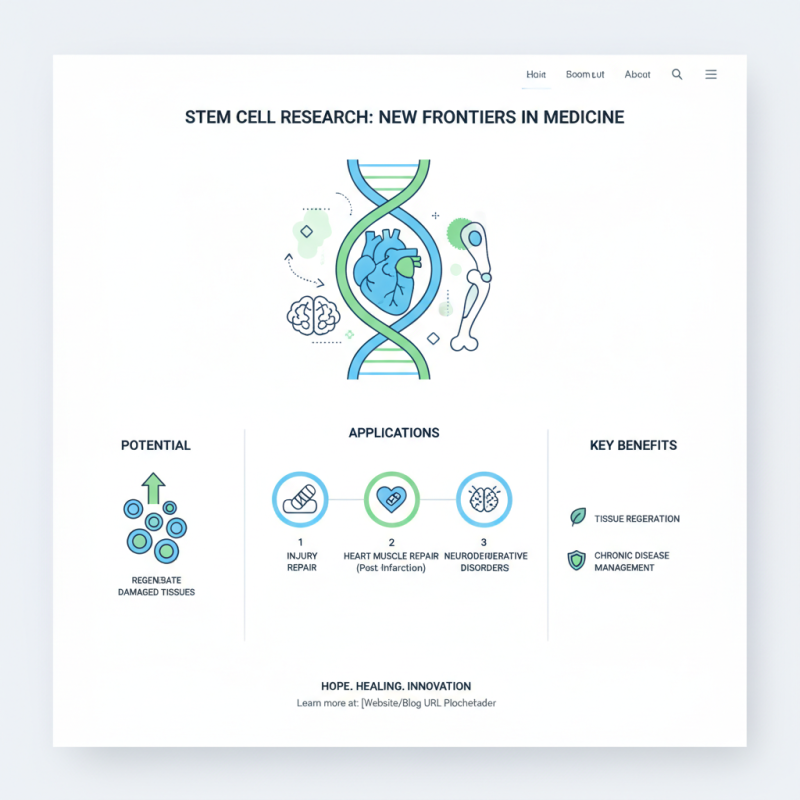
Stem-Cell Regenerative Medicine Applications represent a frontier in healthcare solutions. They offer promise in treating various diseases and injuries. Many patients seek alternatives to conventional therapies. Regenerative medicine aims to repair or replace damaged tissues. It harnesses the body's healing processes. Stem cells have unique abilities to transform into different cell types.
The journey into this field is not straightforward. There are ethical concerns and technical hurdles. Research is ongoing, yet many applications remain experimental. While some therapies show great promise, they may not be universally applicable. Ongoing studies aim to better understand their potential and limitations. Awareness of the complexities is crucial.
Exploring the landscape of Stem-Cell Regenerative Medicine Applications involves critical reflection. Understanding both benefits and drawbacks will guide future advancements. The hope is to unlock creativity in healthcare. However, risks and uncertainties must be addressed. Only then can we truly maximize the potential of these innovative therapies.
Understanding Stem Cells: Types and Characteristics
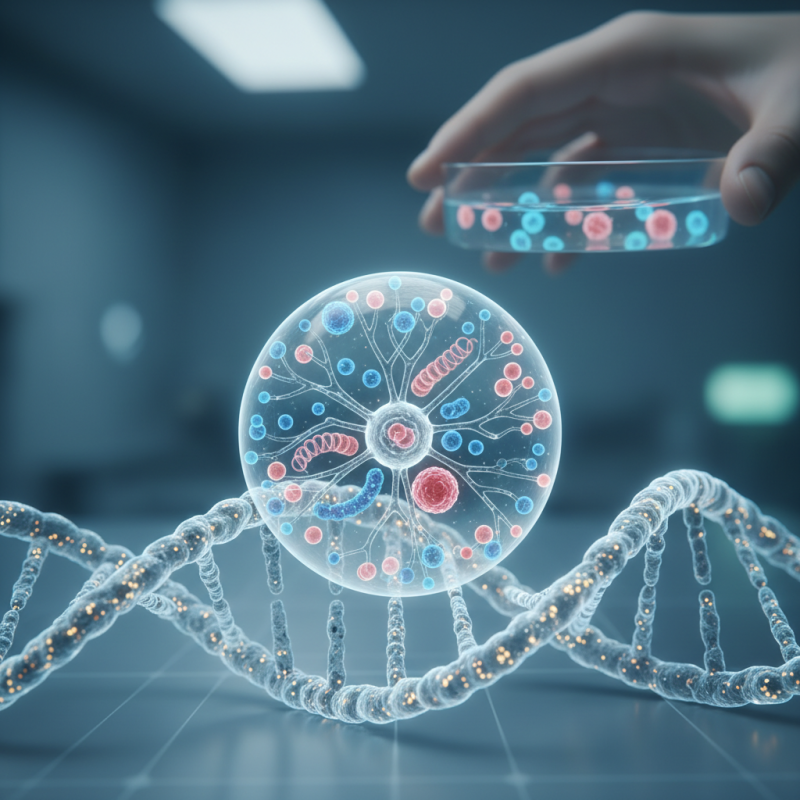
Stem cells are unique cells that can develop into various cell types. They have remarkable regenerative capabilities. There are two primary types of stem cells: embryonic stem cells and adult stem cells. Embryonic stem cells are derived from early-stage embryos. They are pluripotent, meaning they can form any cell type in the body. Adult stem cells, on the other hand, are multipotent and have a more limited ability to differentiate. They are often found in specific tissues, such as bone marrow and fat.
In recent years, the promise of stem cell regenerative medicine has gained momentum. According to the Global Stem Cell Market Report, the industry is projected to reach $150 billion by 2028. This growth is fueled by the increasing understanding of how stem cells can aid in treatment. For instance, studies have shown that stem cells can help repair damaged heart tissue following a heart attack. However, challenges persist. Ethical concerns surround the use of embryonic stem cells. Adult stem cells present fewer ethical dilemmas but are limited in their application.
There are still gaps in knowledge about the long-term effects of stem cell therapies. While many patients report positive results, some treatments yield inconsistent outcomes. Research continues to explore these complexities. Exploring stem cell applications requires a careful assessment of benefits versus risks. Each type of stem cell offers unique advantages and challenges that must be acknowledged.
The Science Behind Regenerative Medicine and Stem Cell Therapy
Regenerative medicine is a rapidly evolving field. It leverages stem cells to repair or replace damaged tissues and organs. According to a report by the American Society for Cell Biology, the global stem cell therapy market is projected to reach $150 billion by 2025. This highlights its potential impact on healthcare solutions.
Stem cell therapy works by harnessing the body’s natural healing processes. Stem cells can differentiate into various cell types. They can regenerate damaged tissues, making them ideal for treating conditions like heart disease and spinal cord injuries. Yet, the science is not without challenges. Ethical concerns and regulatory hurdles remain significant issues. Not all treatments are effective or safe, and patient outcomes can vary greatly.
Current research explores innovative applications in personalized medicine. Each patient’s unique biology could lead to tailored treatments. However, many clinical trials still show mixed results. Future investigations must address these uncertainties and refine methodologies. Success in this arena could revolutionize how we approach chronic diseases. It requires a thoughtful approach to science and ethics.
Challenges and Ethical Considerations in Stem Cell Applications
The field of stem cell regenerative medicine offers promising potential for treating various diseases. However, it brings significant challenges and ethical considerations. For instance, research shows that over 80% of scientists express concerns about the ethical dilemmas surrounding stem cell research. These include issues of consent, especially when using embryonic stem cells. Ethical frameworks must balance scientific advancement and the moral implications of manipulating human life.
Additionally, regulatory hurdles complicate the landscape. A report by the World Health Organization shows that only 10% of stem cell treatments have undergone rigorous clinical trials. This lack of regulation can lead to unproven therapies being marketed to vulnerable patients. The overselling of stem cell applications may lead to misinformation and exploitation.
Health professionals advocate for transparent communication about the risks associated with these treatments. Patients often face difficult choices, as the line between hope and realism blurs. Societal perceptions of stem cell therapy are often skewed by unverified claims, creating an environment of confusion. A cautious approach rooted in ethical considerations is necessary to ensure that scientific progress does not come at the expense of moral responsibility.
Future Prospects: Innovations and Trends in Stem Cell Therapies
Stem cell therapies are shaping the future of healthcare. Innovations in this field have the potential to treat various conditions. From neurodegenerative diseases to orthopedic injuries, the possibilities are expanding rapidly. Organizations and researchers are exploring new ways to harness the power of stem cells.
However, challenges remain in regulations and ethical considerations. The path to commercialization can be long and winding. Many treatments are still in early research phases. Meanwhile, some clinics offer unverified procedures. This can lead to patients seeking risky options. Always question and research before engaging in any treatments.
Tips: Stay informed about ongoing trials. Explore reputable sources and research studies. Look for platforms that share updates on stem cell advancements. Connect with medical professionals who specialize in regenerative medicine. Engage in community discussions to stay aware of emerging trends. As technology progresses, the landscape of stem cell therapies will evolve. Embrace the future while staying cautious and informed.