Rehabilitation Nursing Services play a vital role in recovery. These services are designed to assist individuals facing various challenges, such as disabilities or illnesses. Nurses in this field focus on improving patients’ quality of life. They provide tailored care that addresses specific needs.
The expertise of rehabilitation nurses is significant. They possess specialized knowledge in physical therapy, pain management, and emotional support. This allows them to create effective, individualized care plans. Patients often feel overwhelmed during recovery. Rehabilitation Nursing Services provide reassurance and guidance, easing the journey.
Despite the benefits, there can be obstacles. Not all patients respond to treatments in the same way. Some may struggle with motivation or face unexpected setbacks. Understanding these challenges is crucial for the success of rehabilitation. Ultimately, these services aim to empower patients, helping them reclaim their independence and enhance their well-being.
Rehabilitation Nursing Services focus on helping individuals recover from illness or injury. These services are essential for those facing physical and cognitive challenges. Rehabilitation nurses work closely with patients, developing tailored care plans. This personalized approach is crucial for effective recovery.
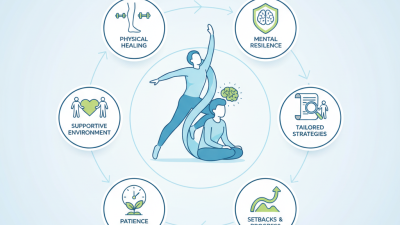
Rehabilitation nursing involves various methods, including therapy and education. Nurses guide patients through exercises that promote mobility. They also educate families about care methods at home. The goal is to empower patients. A supportive environment fosters healing. However, not every patient responds the same way. Sometimes, additional medical interventions are necessary.
The role of rehabilitation nurses extends beyond physical recovery. They address emotional and psychological needs. Patients may struggle with frustration or anxiety about their progress. Rehabilitation nursing offers tools to cope with these emotions. Continuous communication between healthcare providers and patients is vital. Though the journey may be challenging, rehabilitation nursing services provide a pathway to improved health and quality of life.
| Service Type | Description | Target Population | Benefits |
|---|---|---|---|
| Physical Rehabilitation | Focuses on improving physical function and mobility after injury or surgery. | Post-surgery patients, stroke survivors, and those with orthopedic issues. | Enhanced mobility, reduced pain, and improved quality of life. |
| Occupational Rehabilitation | Assists individuals in regaining skills needed for daily activities and work. | Individuals recovering from accidents, injuries, or illnesses impacting daily functions. | Improved independence and readiness to return to work. |
| Speech Rehabilitation | Aims to improve communication skills and swallowing difficulties. | Patients with neurological conditions, strokes, or speech disorders. | Better communication abilities and safer swallowing. |
| Neurorehabilitation | Focuses on recovery from neurological impairments and brain injuries. | Individuals with traumatic brain injuries, strokes, and neurological disorders. | Improved cognitive function and daily living skills. |
| Pediatric Rehabilitation | Targets children with developmental delays or disabilities. | Children with physical, cognitive, or emotional challenges. | Enhanced developmental skills and better emotional health. |

Rehabilitation nursing services play a crucial role in helping patients regain independence after illness or injury. Rehabilitation nurses are trained to evaluate a patient’s condition and design personalized care plans. They monitor progress and offer support during recovery. According to the American Nurses Association, effective rehabilitation nursing can reduce hospital readmission by 20%.
These nurses engage in various essential tasks. They educate patients and families about the recovery process. They also coordinate with other healthcare professionals to ensure comprehensive care. A study published in the Journal of Rehabilitation Nursing found that patients who received specialized rehabilitation nursing had a higher functional improvement rate. They often assist patients with physical therapy exercises, vital sign assessments, and emotional support.
Rehabilitation nurses are advocates for patients’ needs. They address barriers to recovery, such as pain management and emotional distress. These nurses also work to foster a healing environment, which can sometimes feel overwhelming. While they aim for optimal recovery outcomes, the journey is not always smooth. Some patients may face setbacks, and nurses must adapt their strategies to meet evolving challenges. This continual assessment and adjustment showcase the dynamic nature of rehabilitation nursing.
Rehabilitation nursing services are crucial in helping patients recover from various conditions. These services focus on improving patients' physical and emotional well-being. Research shows that rehabilitation nursing can significantly enhance patient outcomes. For example, studies indicate that patients who receive rehabilitation care often experience shorter hospital stays. This is not just about quicker recovery; it's about improving the quality of life.
Statistics reveal that around 70% of patients show marked improvement in their ability to perform daily activities after rehabilitation. This suggests that structured support can lead to better functional outcomes. Emotional support is another important factor. Patients often report feeling more empowered and engaged in their recovery journey.
However, challenges remain. Not all patients respond to rehabilitation in the same way. Some may not meet their recovery goals due to various barriers. These may include lack of motivation, comorbidities, or inadequate resources. Each patient's journey requires personalized care plans. Constant evaluation and adjustment are vital to ensure effective rehabilitation. This approach can lead to stronger recovery outcomes, but it is not without its hurdles.
Rehabilitation nursing services play a crucial role in enhancing recovery times for patients. These specialized nurses work closely with individuals who have undergone surgery, injury, or illness. They focus on restoring function and independence. Their expertise can accelerate healing and improve overall quality of life.
Nursing professionals in this field assess patient needs and create customized rehabilitation plans. They monitor progress and adapt strategies as needed. Patients often experience shorter recovery times due to tailored interventions. Engaging in physical therapy, pain management, and emotional support contributes significantly to better outcomes.
For effective rehabilitation, communication is key. Patients should express their goals and concerns openly. This dialogue fosters a supportive environment. Additionally, setting realistic expectations can alleviate stress and enhance motivation. Regularly reviewing progress with nursing staff can identify areas needing adjustment. Many patients find comfort in shared experiences. Connecting with others on similar journeys can boost morale and determination.
Rehabilitation nursing plays a crucial role in patient recovery within multidisciplinary care settings. By working closely with other healthcare professionals, rehabilitation nurses address the physical, emotional, and social needs of patients. They focus on creating personalized care plans that include physical therapy, counseling, and education. Collaboration among team members enhances the effectiveness of these plans, ensuring continuity of care.
Engaging patients in their recovery process is vital. Nurses encourage independence, helping individuals regain confidence. It's important to recognize that progress may not always be linear. Some patients encounter setbacks, which can be frustrating. A supportive team can help navigate these challenges. Open communication within the team fosters a better understanding of patient needs.
Tips for integrating rehabilitation nursing include holding regular team meetings to discuss patient progress and concerns. Make sure to include patients in discussions about their care. This involvement not only empowers them but also leads to better outcomes. Monitor each patient’s response to the rehabilitation plan, adapting it as needed. Different patients respond differently; flexibility is key.