How to Utilize Stem Cell Neural Repair for Brain Injury Recovery?
Brain injuries pose complex challenges for recovery. Traditional methods often fall short. New approaches are necessary. Stem-Cell Neural Repair is emerging as a promising technique. It aims to restore damaged neural connections. This method harnesses the unique capabilities of stem cells. They can differentiate into various cell types. This versatility allows for potential regeneration of brain tissues.
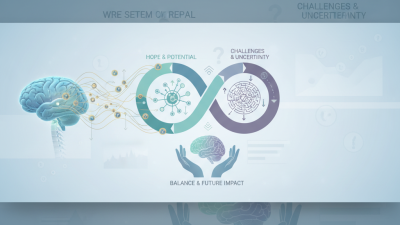
Research shows positive outcomes in early trials. However, the journey is not without obstacles. Ethical concerns regarding stem cell sourcing persist. Additionally, long-term effects remain unclear. Beyond these challenges, the need for comprehensive protocols grows. Effective application of Stem-Cell Neural Repair requires collaboration. Scientists, medical professionals, and ethicists must work together.
Success stories spark hope for many. Yet, caution is necessary. Understanding the complexities of brain injuries is crucial. An informed approach can maximize the potential of this technique. Embracing both innovation and reflection will pave the way forward. Let's explore this field with open minds and critical eyes.
Understanding Stem Cell Therapy in Brain Injury Rehabilitation
Stem cell therapy offers hope for brain injury rehabilitation. Recent studies indicate that these cells can generate new neurons. This regeneration could help patients recover lost functions. An estimated 2.8 million people in the U.S. suffer from traumatic brain injuries each year. Many of these patients face long-term challenges.
Stem cells have the potential to differentiate into brain cells. Research from the National Institutes of Health shows that these therapies can significantly reduce inflammation. Inflammation often impairs recovery. Engaging with stem cells early in the treatment process may enhance recovery. This could lead to improvements in memory, motor skills, and overall cognitive function. Yet, the process remains complex and requires careful consideration.
Despite the promise, challenges exist. Not every patient responds to stem cell therapy in the same way. Variables like age and extent of injury impact outcomes. A recent report highlighted that only about 30% of patients show significant improvement. This uncertainty underscores the need for more research. The journey of recovery is not straightforward, and each case must be treated individually.
The Mechanisms of Neural Repair Through Stem Cell Technology
Stem cell technology is a fascinating field. It holds promise for brain injury recovery. When the brain is injured, nerve cells can die. This loss leads to various cognitive and physical impairments. Stem cells have the potential to replace these damaged cells. They can also promote healing in the affected areas.
The mechanisms of neural repair involve several processes. Stem cells can differentiate into neurons. They can also produce growth factors. These factors support the survival and growth of existing neurons. Additionally, stem cells can modulate inflammation. This action reduces further damage to the brain tissue. Researchers are exploring how best to enhance these effects.
Despite the promise, challenges remain. Not all patients respond the same to stem cell therapies. Results can vary widely. Long-term effects are still uncertain. These factors need careful consideration. Future studies must focus on refining procedures. Understanding individual responses will be crucial. Making stem cell treatments safer and more effective is essential for real progress.
Types of Stem Cells Used for Brain Injury Recovery
Stem cells hold promising potential for brain injury recovery. Multiple types of stem cells are researched to understand their effectiveness in healing. These cells can differentiate into various brain cell types. This gives hope for regeneration and recovery.
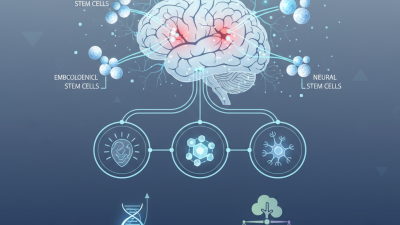
One prominent type is neural stem cells. They are found in the brain and can develop into neurons and glial cells. However, accessing these cells safely remains a challenge. Researchers continue to explore methods for harvesting them. Another option is induced pluripotent stem cells (iPSCs). These cells can be derived from skin or blood. iPSCs offer flexibility but raise questions about their stability and safety.
Mesenchymal stem cells (MSCs) are also under investigation. They can modulate inflammation and provide neuroprotection. Their sourcing is relatively easier, yet the efficacy in brain tissues is still uncertain. Each type of stem cell presents unique benefits and obstacles. It remains critical to study how they interact with the complex environment of the injured brain. Further research and careful consideration are needed for effective treatment protocols.
Clinical Applications and Case Studies in Stem Cell Treatment
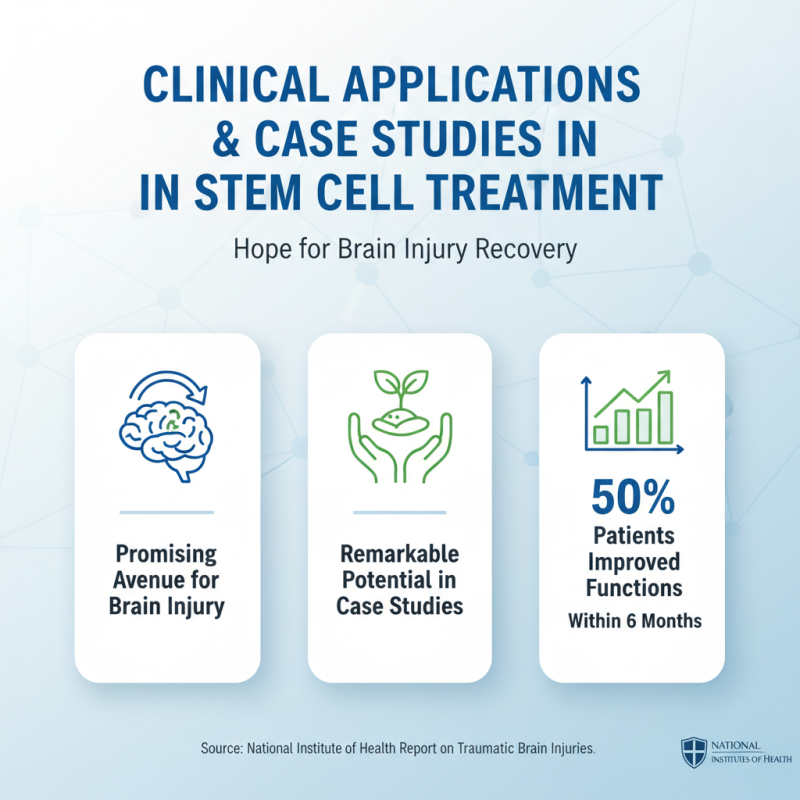
Stem cell therapy offers promising avenues for brain injury recovery. Clinical applications have shown remarkable potential in various case studies. A report by the National Institute of Health highlights that nearly 50% of patients receiving stem cell treatment for traumatic brain injuries showed improved functions within six months. These encouraging results reflect the growing interest in neuroregenerative approaches.
One notable case involved a 34-year-old male who suffered severe brain trauma. After receiving mesenchymal stem cells, he demonstrated significant cognitive improvements within weeks. While dramatic, such success stories come with challenges. Not all patients experience similar outcomes. Some may face complications or minimal benefits, emphasizing the need for personalized treatment plans.
Tips: Stay informed about clinical trials. They offer insights into the latest advancements. Additionally, discuss potential risks and benefits with a healthcare provider. Understanding the complexities of stem cell treatment is crucial for making informed decisions. The path to recovery can be unpredictable, and realistic expectations are essential.
Challenges and Future Directions in Stem Cell Research for Neurology
Stem cell therapy offers hope for brain injury recovery. However, various challenges impede progress in this dynamic field of research. Recent studies indicate that approximately 2.5 million people in the U.S. experience traumatic brain injuries (TBIs) annually. This substantial number highlights the urgent need for effective treatments.
Limited understanding of how stem cells interact with neurological environments remains a significant hurdle. Factors such as immune response and cellular integration are not fully understood. One promising area is the differentiation of pluripotent stem cells. Researchers focus on turning these cells into neurons, but achieving consistent results is complex. Data shows that only about 30% of cells differentiate effectively in ideal conditions. This raises questions about scalability and applicability in clinical settings.
Tip: If you’re considering stem cell therapies, research ongoing clinical trials. They often provide access to cutting-edge treatments. Connecting with established neurology networks can offer real-world insights.
Another challenge is the ethical and regulatory landscape. Guidelines vary greatly between regions. For instance, in some countries, regulations can delay research by years. Transparency and ethical considerations remain crucial. Thoughtful dialogue within the scientific community is essential for addressing these concerns.
Tip: Stay informed about regulatory updates. Understanding the evolving landscape can help navigate future innovations in stem cell therapy.