



Case Stusies
Yu Chenbo
Gender: Male
Age: 3 years 2 months
Admission condition:
The child was found unable to stand independently at the age of 10 months and subsequently sought treatment at Jining Annex Hospital, where the diagnosis indicated delayed growth and development. However, the child did not undergo any specific treatment and received ongoing rehabilitation therapy at a local rehabilitation institution. Currently, the child exhibits lower intellectual development, with language expression consisting of 5-6 syllables. There is weakness in the waist, preventing independent standing and walking. The muscle tone in the lower limbs is high, and there is excessive tension in the adductor muscles, resulting in a scissor gait. The patient is capable of self-care for bowel movements and eating. For further diagnosis and treatment, the patient has been referred to our hospital. Since the onset of the condition, the patient has maintained clear consciousness, good mental status, normal eating and sleeping patterns, regular bowel and bladder function, and no significant change in weight.
Admission diagnosis: Delayed growth and development.
Treatment Process:
After admission, comprehensive examinations were conducted, and no apparent surgical contraindications were identified. On February 20, 2023, at 15:30, the patient underwent a robot-assisted stereotactic brain procedure under combined anesthesia. The surgery proceeded smoothly, and routine postoperative care was administered without any notable discomfort. Following assessment, improvements were observed in various functions. The patient's condition is currently stable, and discharge has been approved today.

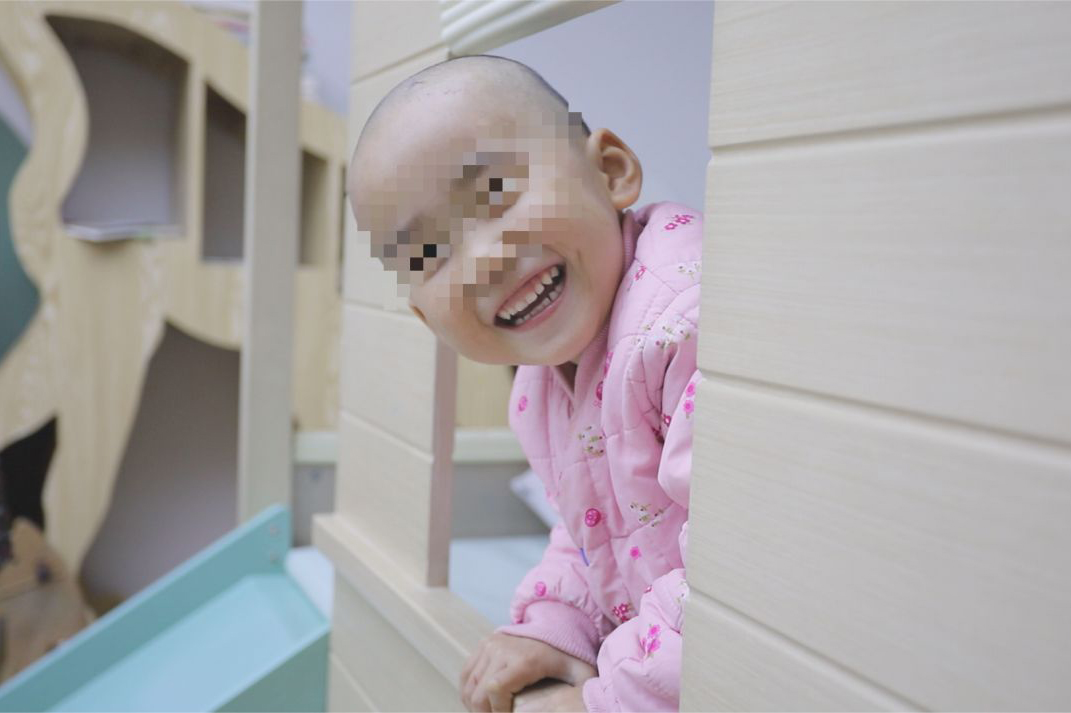
Discharge condition:
Currently, the patient's condition is stable with no specific discomfort observed. Normal sleep and diet are maintained, and there are no abnormalities in bowel and bladder function. Vital signs are stable, and the patient is alert and mentally sound. Pupils are equal, round, and reactive to light. The heart rhythm is regular with no audible murmurs. Lower limb muscle tone has decreased, and flexibility has improved. The surgical incision is free from infection, healing well, and the patient is considered for discharge.
Discharge instructions:
1. Rest and strengthen protection, avoid vigorous head movements.
2. Maintain warmth, prevent infection, continue rehabilitation training, and avoid rehabilitation 3.treatments involving head vibrations, needling, or electrotherapy for 1 month.
3. Seek prompt medical attention if any discomfort arises.