• 103qo

    Wechat

  • 117kq

    MicroBlog

Empowering Lives, Healing Minds, Caring Always

Leave Your Message

Top 10 Benefits of Rehabilitation Training Centers for Recovery Success?

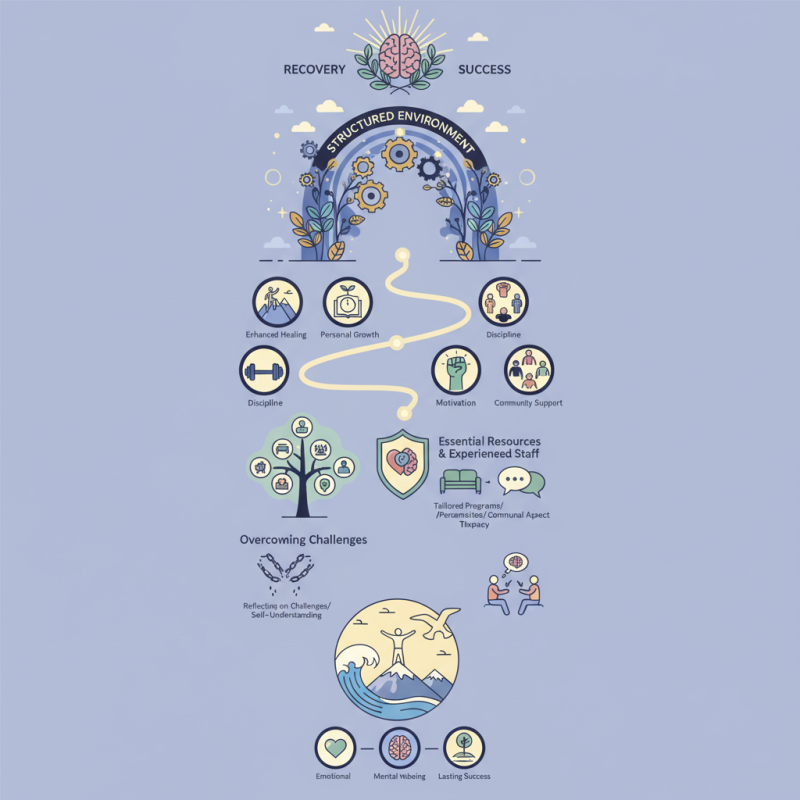
Rehabilitation Training Centers play a crucial role in recovery. They offer structured environments that enhance healing and personal growth. This setting fosters discipline, motivation, and community support. Individuals in recovery often face numerous challenges. The journey can feel overwhelming and isolating. However, these centers provide essential resources and experienced staff to guide each person.

At a Rehabilitation Training Center, clients access tailored programs suited to their needs. Personalized therapy sessions help address underlying issues. Group activities promote connection and foster understanding among peers. This communal aspect can be incredibly healing. It builds a sense of belonging, which many lack in their lives.

While rehabilitation is a powerful process, it is not without its flaws. Some may struggle with sticking to the program. Others might find it hard to communicate their emotions. Reflecting on these challenges is vital for growth. Overcoming such obstacles leads to a more profound understanding of oneself. Ultimately, the benefits of Rehabilitation Training Centers extend beyond physical recovery. They nurture emotional and mental well-being, paving the way for lasting success.

Top 10 Benefits of Rehabilitation Training Centers for Recovery Success?

Understanding the Role of Rehabilitation Training Centers in Recovery

Top 10 Benefits of Rehabilitation Training Centers for Recovery Success?

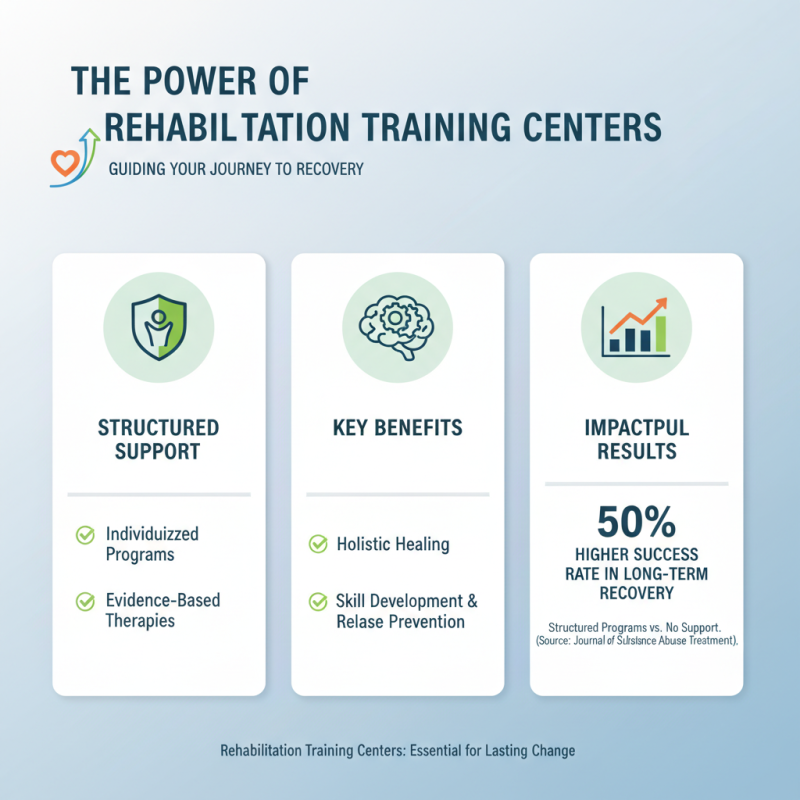
Rehabilitation training centers play a pivotal role in recovery success. They offer structured environments tailored to individual needs. Programs often incorporate evidence-based therapies. A study published in the Journal of Substance Abuse Treatment highlights that participants in structured rehab programs show a 50% higher success rate in long-term recovery compared to those with no such support.

These centers provide access to trained professionals who specialize in mental health and addiction recovery. Expert guidance increases accountability and motivation among participants. In fact, the National Institute on Drug Abuse reports that recovery rates improve significantly when individuals engage in comprehensive rehab programs. The blend of physical, emotional, and social support is crucial for lasting change.

Moreover, empirical data suggest that a supportive community within these centers fosters resilience. Clients often report feelings of belonging, which is vital for healing. However, the challenges of stigma and relapse still pose risks. Some individuals may enter rehab but struggle to maintain progress afterward. Continuous monitoring and aftercare are essential for addressing these issues. Therefore, while rehab centers are effective, they are not universally perfect solutions. Ongoing commitment from both clients and providers remains necessary for true recovery.

Comprehensive Personalized Treatment Plans at Rehabilitation Centers

Rehabilitation training centers provide comprehensive personalized treatment plans that significantly enhance recovery success. Each plan is tailored to suit the individual needs of the patient. These plans often assess a patient’s physical, emotional, and psychological conditions. This holistic approach promotes more effective healing.

One important aspect is the regular assessment of progress. Patients receive real-time feedback, allowing adjustments to their treatment as needed. This adaptability is crucial for maintaining motivation. Personalized treatment encourages individuals to take ownership of their recovery journey, improving their commitment to the process.

**Tip:** Stay engaged in your treatment plan. Communication with your healthcare team is key. It helps identify challenges early.

Another benefit of rehabilitation centers is the strong support network they provide. Patients connect with peers facing similar struggles. This shared experience fosters a sense of community, thus reducing feelings of isolation. The friendships formed can be uplifting and encouraging.

**Tip:** Participate in group activities. Challenge yourself to share your experiences. This can lead to valuable insights and stronger bonds with others.

Top 10 Benefits of Rehabilitation Training Centers for Recovery Success

Benefit Description Impact on Recovery
Personalized Treatment Plans Tailored strategies that cater to individual needs and challenges. Enhances effectiveness through customized approaches.
Professional Supervision Continuous monitoring by trained staff ensures safety and guidance. Reduces risk and fosters a supportive environment.
Structured Environment A disciplined framework that encourages routine and accountability. Promotes positive behaviors and habits necessary for recovery.
Peer Support Interaction with others facing similar challenges fosters motivation. Enhances morale and reduces feelings of isolation.
Access to Resources Availability of facilities, therapies, and educational materials. Enables comprehensive recovery strategies and skills.
Focus on Mental Health Integrated therapies address emotional and psychological aspects. Supports overall healing and resilience.
Relapse Prevention Strategies Proactive plans to manage triggers and avoid relapse. Strengthens long-term recovery prospects.
Life Skills Training Teaches practical skills for independent living and work. Empowers individuals to reintegrate successfully.
Aftercare Support Follow-up services that help maintain recovery after leaving the center. Increases the likelihood of sustained recovery.
Holistic Approaches Incorporating physical, emotional, and spiritual health into recovery. Encourages a well-rounded approach to healing.

Access to Professional Support and Guidance in Recovery Programs

Rehabilitation training centers play a vital role in recovery. They offer professional support that can significantly enhance the healing process. Research indicates that individuals participating in structured programs exhibit higher success rates. A study from the National Center for Biotechnology Information noted that professional guidance can improve recovery outcomes by almost 40%.

Access to experts can make a difference. Trained professionals provide personalized treatment plans based on individual needs. This tailored approach leads to better emotional and physical support. Approximately 70% of participants reported feeling more motivated when supported by professionals. They feel understood and challenged in a positive way.

However, it is important to recognize that not every rehabilitation program works for everyone. Some might feel disconnected or overwhelmed. The effectiveness of rehabilitation programs varies among individuals. Continuous evaluation and adaptation of methods are essential. Success doesn't always look the same for everyone, but having professional support creates a strong foundation for lasting recovery.

Advantages of Peer Support and Community in Rehabilitation Settings

Peer support plays a vital role in rehabilitation settings. When individuals face addiction or mental health issues, they often feel isolated. In a rehabilitation center, connecting with others who share similar struggles fosters a sense of belonging. This connection can ease feelings of shame and guilt.

Community support encourages open dialogue about recovery. Group therapy sessions allow participants to share their experiences. Hearing others' stories can motivate individuals to stay committed to their recovery. Peer support also provides accountability. Knowing that others are invested in their progress encourages individuals to push through challenges.

Yet, not every experience in peer support is positive. Some may struggle with sharing their feelings. Others may find it hard to trust new acquaintances. These moments of discomfort can lead to growth, prompting important self-reflection. Overall, the presence of a supportive community greatly enhances the recovery process. It creates an environment where individuals can learn, heal, and thrive together.

Top 10 Benefits of Rehabilitation Training Centers for Recovery Success

Long-Term Benefits of Rehabilitation Training for Sustained Sobriety

Rehabilitation training centers offer vital long-term benefits for individuals striving to achieve sustained sobriety. Studies show that individuals who participate in structured rehabilitation programs have a higher success rate in maintaining sobriety. According to the Substance Abuse and Mental Health Services Administration (SAMHSA), about 50% of those who complete rehabilitation training stay sober for at least one year.

The immersive environment of these centers fosters a sense of community and support. Peer interactions can play a crucial role in recovery. Engaging with others who share similar struggles can reduce feelings of isolation. This connection often leads to improved emotional wellbeing. Moreover, effective rehabilitation programs often incorporate therapy sessions and life skills training. These elements prepare individuals for the challenges of everyday life post-rehabilitation.

However, not all rehabilitation journeys are seamless. Some may relapse despite receiving treatment. The National Institute on Drug Abuse (NIDA) reports that relapse rates can be as high as 40-60%. This highlights the reality that recovery requires ongoing effort and commitment. Continuous support from families and communities remains essential to reinforce lessons learned during rehabilitation. Ensuring a strong support network can help bridge the gap between treatment and lasting sobriety.