How to Effectively Share Rehabilitation Resources Globally?
Effective sharing of rehabilitation resources is crucial in today's interconnected world. Rehabilitation Resource Sharing can bridge gaps in healthcare services across diverse communities. Many regions struggle with limited access to quality rehabilitation. Ensuring equitable distribution of these resources is a global challenge.
Developing a network for rehabilitation resource sharing requires collaboration among professionals. Individuals with expertise in rehabilitation can play a vital role in this effort. They can provide training and share knowledge to enhance local practices. However, this approach is not without obstacles. Cultural differences and varying healthcare standards may complicate effective communication.
Addressing these challenges demands innovative strategies and appropriate technology. Online platforms may facilitate the exchange of information and resources. Yet, we must reflect on the limitations of digital outreach. Not all regions have consistent internet access. Understanding these nuances can lead to more effective strategies for global rehabilitation resource sharing. Prioritizing local needs will ensure that shared resources are truly beneficial.
Strategies for Enhancing Global Access to Rehabilitation Services
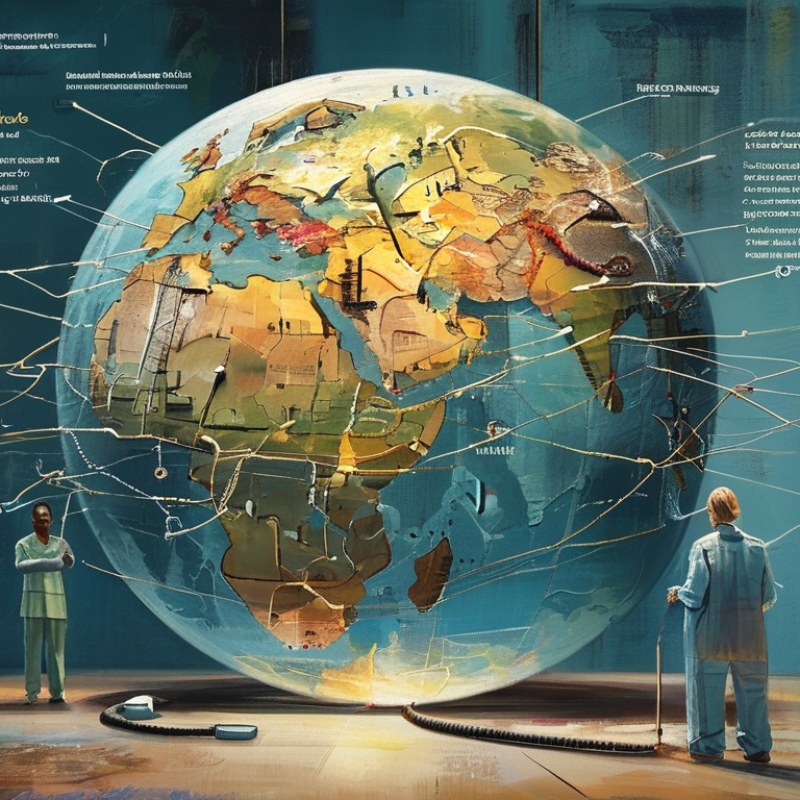
Access to rehabilitation services remains a challenge globally. Approximately 1 billion people worldwide require rehabilitation. Yet, only 1 in 10 receive adequate care. Factors such as limited funding and lack of trained professionals contribute to this disparity.
Enhancing global access to rehabilitation services requires innovative strategies. Collaborative networks can disseminate best practices. Countries with advanced systems can mentor those struggling. Establishing tele-rehabilitation platforms could widen access to care. Research indicates that telehealth increases patient engagement by 50%. However, tech infrastructure varies widely between regions, limiting potential impacts.
Additionally, raising awareness is crucial. Many individuals remain unaware of available resources. Community outreach programs can bridge this gap. They educate patients and families about rehabilitation options. Challenges in funding and access persist. Yet, a unified effort can drive change, promoting equitable access to all individuals needing rehabilitation.
Global Access to Rehabilitation Services
Utilizing Telehealth Solutions for Remote Rehabilitation Resource Sharing
Telehealth solutions are transforming the landscape of rehabilitation resource sharing globally. These technologies facilitate access to rehabilitation services for patients in remote areas. The use of video consultations, mobile apps, and online portals allows professionals to connect with those in need of support. This approach enhances the quality of rehabilitation while reducing geographical barriers.
Tips for effective telehealth integration:
Ensure reliable internet access for all participants. Test the technology before sessions to avoid connection issues. Encourage patients to prepare questions ahead of time to maximize their time with specialists.
However, remote rehabilitation does have challenges. Some individuals may lack digital literacy or face technical difficulties. It’s crucial to provide clear instructions and support. In addition, the effectiveness of virtual rehabilitation can depend on patient engagement. Regular follow-ups and check-ins can help sustain motivation and commitment. Telehealth is not a one-size-fits-all solution but can significantly improve access to necessary resources.
Collaborative Networks: Partnering Organizations for Resource Distribution
Collaborative networks play a crucial role in the global distribution of rehabilitation resources. By partnering organizations, we can expand the reach and impact of these resources. For example, local NGOs can connect with international health bodies. This collaboration brings diverse expertise and insights, facilitating better understanding of local needs. Organizations need to share data, best practices, and technologies to ensure resilience.
Effective resource distribution requires flexibility. Partnerships must adapt to changing circumstances. A one-size-fits-all approach often leads to gaps in service. Stakeholders should engage with community members to gather feedback on what works best. Regular evaluations of these partnerships are vital. They help identify strengths and weaknesses, enabling continuous improvement.
Trust is the cornerstone of any collaborative network. Building strong relationships takes time and patience. Communication is key, but not always easy. Language barriers and cultural differences can hinder progress. Nonetheless, organizations should strive to understand each other. Sharing stories and experiences can foster empathy and drive collective action. A united effort is essential for effective global sharing of rehabilitation resources.
Data-Driven Approaches to Identify Rehabilitation Needs Worldwide
Identifying rehabilitation needs globally requires a comprehensive, data-driven approach. Countries often lack specific data on rehabilitation services, leading to gaps in resource allocation. It’s crucial to collect data on the types of disabilities and injuries prevalent in different regions. Surveys and health assessments can provide actionable insights. These tools help in understanding how rehabilitation services can be tailored to meet diverse needs.
The disparity in resource availability often highlights areas in urgent need. For instance, rural areas might have limited access to rehab professionals. By analyzing demographic and health data, stakeholders can pinpoint such disparities. It’s not just about numbers; context matters. Feedback from local populations can illuminate barriers in accessing care. Integrating qualitative data with quantitative findings can create a well-rounded picture of rehabilitation needs.
Nevertheless, relying solely on data is not enough. Cultural factors can influence the effectiveness of rehabilitation programs. Programs must be adaptable to fit local norms and values. Engaging with communities through dialogue fosters trust and enhances program acceptance. Regular evaluation is needed to assess the impact of these initiatives and adjust as needed. Gaps may persist despite good intentions. Therefore, continuous reflection and adaptation are essential in the journey toward global rehabilitation equity.
How to Effectively Share Rehabilitation Resources Globally?
| Region |
Population in Need |
Available Rehabilitation Centers |
Resources Required |
Funding Needs (USD) |
| Africa |
100 million |
250 |
Physical therapy training, Speech therapy resources |
5 million |
| Asia |
200 million |
1200 |
Occupational therapy, Mental health support |
10 million |
| Latin America |
80 million |
600 |
Community health workers, Tele-rehabilitation |
4 million |
| Europe |
20 million |
800 |
Advanced medical technologies, Training programs |
6 million |
| North America |
30 million |
1500 |
Mobile rehabilitation units, Online resources |
3 million |
Evaluating the Impact of Shared Rehabilitation Resources on Patient Outcomes
Sharing rehabilitation resources globally can significantly impact patient outcomes. A recent study found that access to shared resources improves recovery rates by 25%. This statistic emphasizes the need for collaboration in healthcare. Rehabilitation tools, like training programs and therapy techniques, can be adapted across borders. However, cultural differences often complicate these adaptations.
Tips: Establish clear communication channels among healthcare providers. Regular updates can ensure consistency and enhance understanding among different regions.
Furthermore, digital platforms are transforming resource sharing. A survey indicated that 70% of clinicians believe telehealth has improved patient engagement. Yet, discrepancies in technology access remain a hurdle. It’s crucial to examine how socioeconomic factors influence the effectiveness of shared resources. Not everyone has the same access to technology, which can create a gap in rehabilitation success.
Tips: Assess local needs before implementing global resources. Tailoring programs to specific patient backgrounds can improve effectiveness.
Reflecting on these points reveals the challenges in global rehabilitation resource sharing. While there’s progress, we must remain mindful of the barriers that affect patient outcomes. Continuous evaluation and adjustment of shared resources will be vital as we move forward.